


TRUTH VERIFIER
Love or deceit? How to detect and evade internet romance scammers
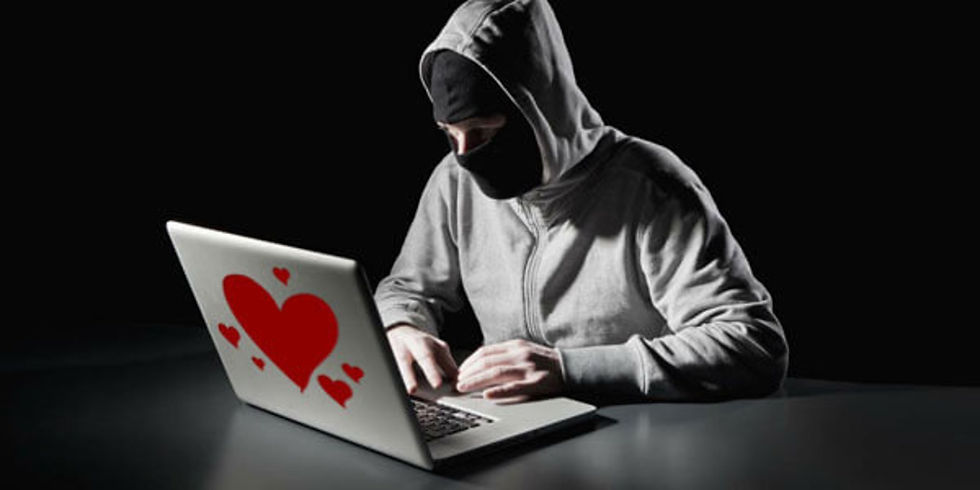
Photo from datingscammer.info
12/27/23, 10:50 PM
By MJ Blancaflor
Thanks to social media, you can easily find love online with just a few clicks. Yet amidst the potential for genuine connections, a sinister threat looms — love scams.
Here's their modus operandi: Scammers fabricate social media profiles using stolen photos. They befriend would-be victims and attempt to establish an emotional connection with unsuspecting individuals.
Then, with a convincing tale of trouble or a sudden problem, they ask for money. Once the money is transferred, the scammers disappear.
Love scams predominantly target elderly people seeking genuine connections. But with a discerning eye and a healthy level of skepticism, one can avoid falling prey to deceitful schemes.
Here are some tips to detect and evade love scams:
1. Safeguard personal information
Do you post everything about yourself on social media? Think twice. If you flaunt your wealth online or share personal information such as financial details or your home address, you become an easy target for scammers. Avoid disclosing personal data and limit your social media visibility to trusted family members and friends.
2. Be careful with online acquaintances
Do you chat with people you don't know personally? Exercise caution with those who claim exaggerated success, charm, or attractiveness. Love scammers often create an ideal persona that may entice you. If the person you're talking to seems too perfect, be extra careful, and better yet, minimize your engagement with them. Also, pay attention to inconsistencies in their stories or details.
3. Research and verify
You can't be 100% certain about the identities of your online friends. Their photos and names might be fabricated, or worse, stolen. When in doubt, it's best to perform a thorough online search of the person's name, photos, or details they've shared. Keep in mind that scammers often reuse profiles and photos across multiple platforms.
4. Inform trusted individuals
When you're talking to people you just know online, it won't hurt to discuss your online interactions with close friends or family members. Sometimes an outside perspective can reveal warning signs you might have missed.
5. Watch out for red flags
Scammers escalate relationships hastily before requesting favors or money. If they quickly declare their love for you but avoid in-person meetings or video calls, they're likely just after your money. Remember that genuine connections are built on trust, mutual respect, and authenticity — qualities that no fraudster can replicate.
6. Disengage when they request money
This is a major red flag. Romance scammers often concoct elaborate stories to solicit money for purported emergencies, travel expenses, or investments. Be wary of any financial request and do not make commitments or financial contributions, regardless of the seeming urgency or emotional appeal. The best response is to disengage with them. If something feels off or too good to be true, trust your instincts.
7. Report suspected scams
If you suspect you're dealing with a trickster, report them to the police or to the platform you met them on. This helps protect others from falling victim to the same individual.